


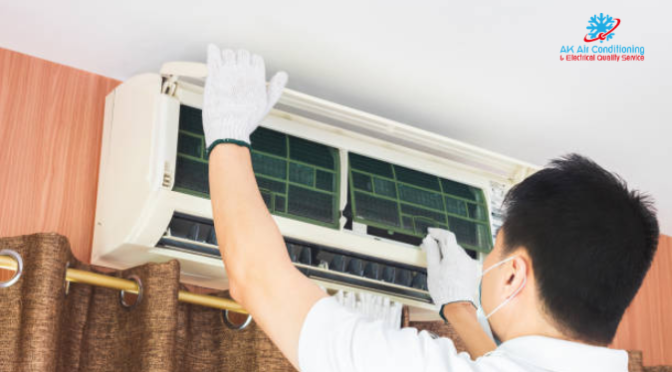
Ducted air conditioning is a popular choice for properties in Punchbowl, Hurstville and Strathfield offering whole-house comfort, seamless design, and efficient temperature control. However, installing a ducted system is far from straightforward. It requires careful planning, technical expertise, and an understanding of structural and environmental factors. Whether you are building a new home or upgrading an existing one, it’s important to be aware of the challenges involved.
Limited Roof Space and Structural Constraints
One of the biggest challenges in ducted air conditioning installation in Punchbowl and other suburbs is the availability of roof or ceiling space. In many Australian homes—especially older properties—roof cavities can be tight or obstructed by beams, insulation, or existing services like plumbing and wiring.
Installers must carefully design duct layouts to fit within these constraints without compromising airflow. In some cases, modifications may be required, which can increase both the complexity and cost of the project.
Designing an Efficient Duct Layout
A well-designed duct system is essential for optimal performance. Poor layout planning can lead to uneven cooling, hot spots, and energy inefficiency. Installers need to calculate the correct duct sizes, lengths, and outlet placements to ensure balanced airflow throughout the home.
Each room has different cooling requirements, and factors like ceiling height, insulation, and sun exposure must be considered. Achieving this balance requires experience and precise calculations.
Energy Efficiency and Zoning Considerations
Modern ducted systems often include zoning features, allowing you to control temperatures in different areas of your home. While this improves efficiency, it also adds complexity to the installation process.
Incorrect zoning design can lead to pressure imbalances and reduced system performance. So, before ducted air conditioning installation in Hurstville, installers must ensure that zones are properly configured and that the system can handle varying loads without strain.
Electrical and System Integration Challenges
Ducted air conditioning systems require integration with your home’s electrical system, which can sometimes be outdated or insufficient. Upgrading switchboards, adding circuits, or ensuring compliance with Australian standards may be necessary.
Additionally, integrating smart thermostats or control systems can introduce further complexity. Proper installation is crucial to avoid faults, short circuits, or system failures down the track.
Noise Management
Noise is another important consideration. Poorly installed ducts or incorrectly sized units can result in excessive noise, which can be disruptive in living or sleeping areas.
Installers must use appropriate insulation, flexible ducting, and strategic placement of components to minimise noise levels. Achieving quiet operation while maintaining performance can be a delicate balance.
Installation in Existing Homes
Carrying out ducted air conditioning installations in Strathfield and other suburbs into an existing home is often more challenging than installing it in a new build. Access limitations, structural barriers, and the need to minimise disruption to the household all add to the complexity.
Ceilings may need to be cut, and careful planning is required to ensure the final result is both functional and visually appealing. This type of installation often requires more time and labour.
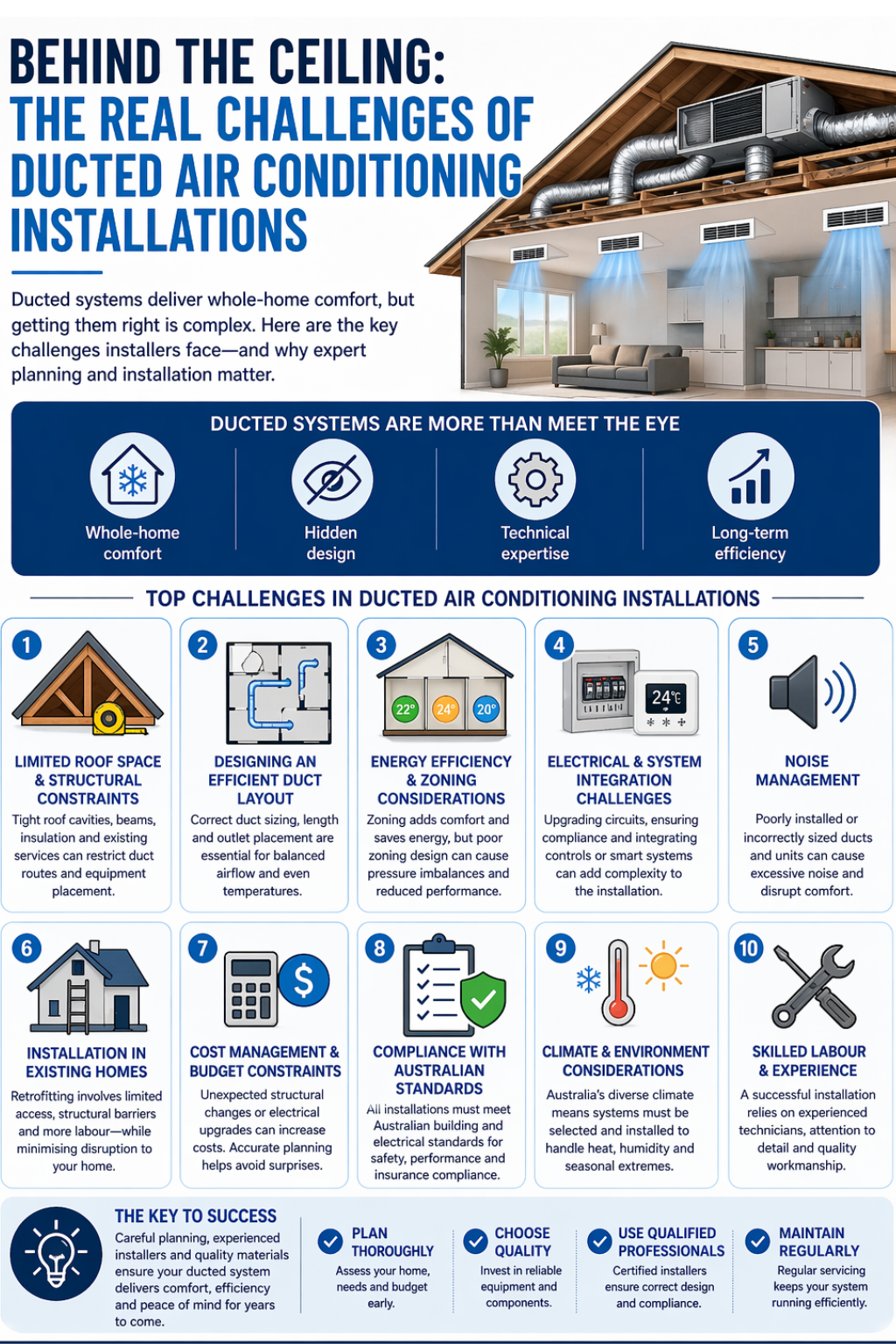
Cost Management and Budget Constraints
Ducted air conditioning installations can be a significant investment. Costs can vary depending on the size of the home, system type, and installation сложности. Unexpected challenges—such as structural modifications or electrical upgrades—can increase expenses.
Working with an experienced installer helps ensure accurate quoting and reduces the risk of costly surprises during the project.
Compliance with Australian Standards
All installations must comply with Australian building and electrical standards. This includes proper insulation, safe wiring practices, and correct system sizing.
Failure to meet these standards can lead to safety risks, reduced efficiency, and potential issues with insurance or property resale. Professional installers ensure all work is compliant and up to code.
Final Words
Ducted air conditioning offers unmatched comfort and convenience, but the installation process comes with its fair share of challenges. From structural limitations to system design and compliance, every step requires careful attention to detail.
By understanding these challenges and working with qualified professionals, you can ensure a smooth installation and enjoy the long-term benefits of a reliable and efficient system.
Schedule an Installation Service
Get in touch with AK Air Conditioning & Electrical Quality Service Pty Ltd to hire professional air conditioning contractors. Call 0451 632 932 to get started.
Frequently Asked Questions About Ducted Aircon Installations
- How do installers determine if my home can support a ducted air conditioning system?
They assess roof cavity space, structural layout, insulation, and existing services like wiring and plumbing. A site inspection helps determine feasibility and any required modifications.
- Can poor duct design really affect comfort levels across different rooms?
Yes, improper duct sizing or placement can lead to uneven airflow, causing some rooms to be too warm while others are overcooled.
- What role does insulation play in ducted air conditioning performance?
Insulation helps maintain air temperature as it travels through ducts. Poor insulation can lead to energy loss and reduced system efficiency.
- Are zoning systems always beneficial, or can they cause issues?
While zoning improves efficiency, incorrect configuration can create pressure imbalances, strain the system, and reduce overall performance.
- How do installers handle tight or obstructed roof spaces?
They may redesign duct layouts, use compact or flexible ducting, or recommend structural adjustments to ensure proper installation without restricting airflow.
- Is it more expensive to install ducted air conditioning in an existing home?
Generally, yes. Retrofitting often involves additional labour, structural adjustments, and careful planning to minimise disruption.
- Can installing a ducted system increase my home’s energy consumption?
If poorly designed, yes. However, a well-installed and properly zoned system can actually improve energy efficiency compared to multiple split systems.
- What are the risks of choosing an undersized or oversized system?
An undersized system struggles to cool effectively, while an oversized one may cycle too frequently, leading to inefficiency and increased wear and tear.
- How long does a typical ducted air conditioning installation take?
It can take anywhere from one to several days, depending on the home’s size, complexity, and whether it’s a new build or retrofit.
- Why is professional installation crucial for ducted systems?
Professional installers ensure correct design, safe electrical integration, compliance with Australian standards, and long-term system reliability.
